Call Us : 08045476847
 English
 Spanish
 French
 German
 Italian
 Chinese (Simplified)
 Japanese
 Korean
 Arabic
 Portuguese
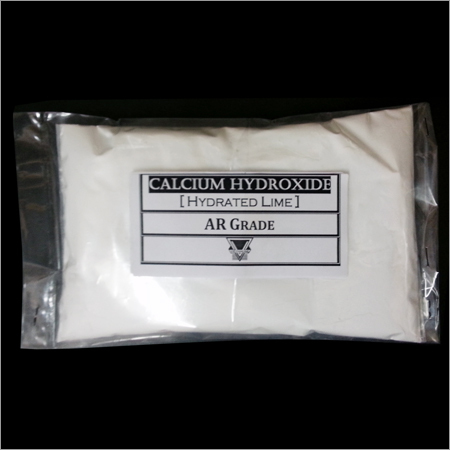
Calcium Hydroxide
6.00 - 50.00 INR/Kilograms
Product Details:
- Molecular Weight 74.09 g/mol
- Solubility Slightly soluble in water, soluble in acids and glycerin
- Ph Level Approx. 12.4 (saturated solution)
- Melting Point 580C (decomposes)
- Molecular Formula Ca(OH)
- Smell Odorless
- Density 2.24 Gram per cubic centimeter(g/cm3)
- Click to View more
X
Calcium Hydroxide Price And Quantity
- 1000 Kilograms
- 6.00 - 50.00 INR/Kilograms
Calcium Hydroxide Product Specifications
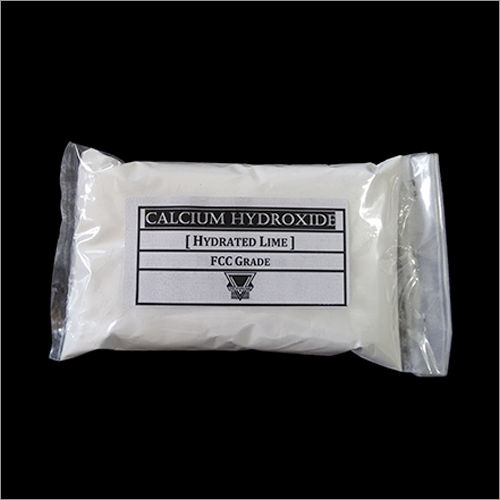
- Technical, Food, Pharmaceutical
- 74.09 g/mol
- Slightly soluble in water, soluble in acids and glycerin
- Approx. 12.4 (saturated solution)
- 580C (decomposes)
- Odorless
- 2.24 Gram per cubic centimeter(g/cm3)
- Ca(OH)
- 28259040
- Ca(OH)
- Water treatment, soil stabilization, food industry, pharmaceuticals, chemical manufacturing, construction
- Industrial, laboratory, agricultural, food additive (E526)
- Store in a cool, dry place, tightly closed container
- Conforms to relevant ISO/ASTM/USP standards
- Yes
- Fine white powder or crystals
- Powder
- 1.574
- Alkaline, slightly bitter
- Slaked Lime, Hydrated Lime, Caustic Lime
- Hydroxide, Inorganic base
- Inorganic Chemical
- Calcium Hydroxide
- Calcium Hydroxide
Calcium Hydroxide Trade Information
- 1000 Kilograms Per Day
- 10 Days
Product Description
Calcium HydroxideWith the help of our experienced professionals, we offer excellent quality Calcium Hydroxide. This chemical is accurately formulated using premium quality chemical compounds in line with the set norms of quality. Besides, this Calcium Hydroxide is broadly used in paper, food, petrochemical, paint, plastic and many more industries. We offer this chemical in various packaging options and at industry leading price to our clients.
"Calcium Hydroxide", having CAS-No: 1305-62-0, and traditionally being called hydrated lime or slaked lime, is an inorganic compound with the chemical formula as Ca(OH)2. It is free flowing super fine super white powder, free from grits & other contaminations and is obtained when calcium oxide (quicklime) is "slaked" with water, to form "Hydrated Lime". Calcium Hydroxide is used in a wide variety of traditional & emerging applications, because of its chemical & physical properties. These are high quality optimum products, compliant to various compendiums, being diligently processed under good manufacturing practices. These products are free from all known allergens and do not contain any prohibitory or toxic chemicals or non-kosher ingredients. The usual shelf life of the product is three to six months from the date of manufacturing of batch. This grade of Calcium Hydroxide shall be usable for a vast number of applications.
Features:
-
Hygienically processed
-
Accurate composition
-
Easily soluble in water
-
Purity
Vigyan Limes Calcium can be used in various manufacturing & other processes as under:-
Industrial Usage:
- Asphalt
- Buffing
- Refining
- Additives
- Metallurgy
- Construction
- Ore Concentration
- Refractory Cement
- Iron and Steel Industry
- Additives Functional Fillers
- Nonferrous Metals Industries
- Water Treatment
- Treat Waste Water
- Effluent Treatment
- Flue Gas Treatment
- Treat Animal Wastes
- Treat Hazardous Wastes
- Treat Bio-solids and Sludge
- Cosmetics
- Excipients
- Bulk Drugs
- Food Additives
- Fine Chemicals
- Live Stock Feed
- Food Fortification
- Acidity Regulators
- API Pharmaceuticals
- Nutritional Supplements
- Fusion
- Alkalis
- Citrates
- Nitrates
- Silicates
- Acetates
- Magnesia
- Stearates
- Aspirates
- Sulphates
- Agriculture
- Cyanamids
- Citric Acids
- Phosphates
- Propionates
- Calcium Carbide
- Plastic Stabilizers
- Moisture Removal
- Paints & Varnishes
- Grease & Lubricants
- Brake Pads & Linings
- Inks
- Papers
- Plastics
- Sealants
- Concrete
- Ceramics
- Adhesives
- Magnesium
- Desulphurization
- Building Materials
- Alumina & Bauxite
Product details
|
Packaging Type |
Bags |
|
State |
Powdered |
|
Grade |
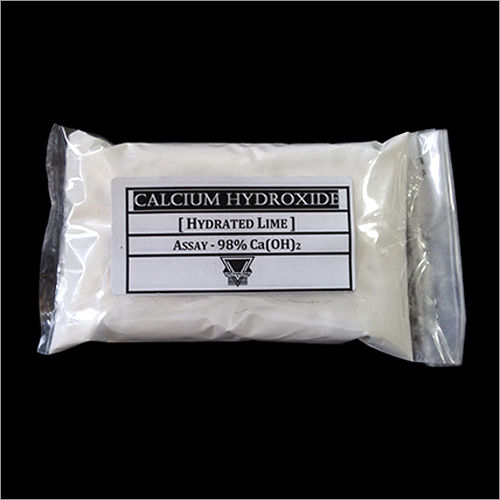
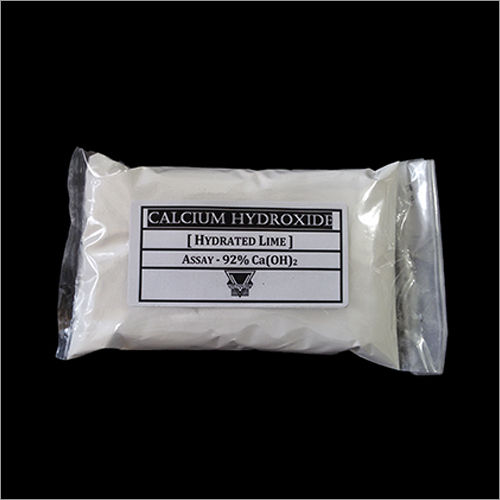
93% 98% |
|
Packaging Size |
40 kgs Bags |
Essential Properties and Composition
Calcium Hydroxide possesses a molecular formula of Ca(OH) and a molecular weight of 74.09 g/mol. This inorganic base appears as an odorless, white, fine powder or crystals with a slightly bitter, alkaline taste. Conforming to relevant ISO, ASTM, and USP standards, it boasts a density of 2.24 g/cm and a refractive rate of 1.574. This versatile material remains stable below its decomposition point of 580C.
Applications Across Industries
This compound is valued in diverse applications: water treatment (for pH control and softening), soil stabilization in construction, as an additive in food (E526), and in pharmaceuticals. It is also integral in chemical manufacturing and laboratory settings. Distributed widely in India, it meets technical, food, and pharmaceutical grade needs, and is known among dealers, exporters, and manufacturers.
Safe Storage and Handling Guidelines
To maximize shelf life and ensure safety, calcium hydroxide should be stored in a tightly sealed container, in a cool and dry place. Adequate personal protective equipmentgloves, goggles, and a maskshould be worn when handling to avoid irritation from dust or contact. It should be kept away from acids and moisture due to incompatibility, and though non-poisonous, it is caustic in concentrated forms.
FAQs of Calcium Hydroxide:
Q: How should calcium hydroxide be handled safely in industrial or laboratory settings?
A: When handling calcium hydroxide, its essential to wear protective gloves, goggles, and a mask to prevent skin and eye contact and to minimize inhalation of dust. Ensure the product is handled in well-ventilated areas and avoid exposure to moisture and acids, which can trigger hazardous reactions.Q: What are the primary uses of calcium hydroxide across various industries?
A: Calcium hydroxide serves important roles in water treatment, soil stabilization, food processing (as additive E526), pharmaceuticals, chemical manufacturing, agriculture, and construction. Its alkaline properties make it valuable for pH adjustment, softening water, and as a reactant or stabilizer in several processes.Q: Where should calcium hydroxide be stored to maintain its quality and effectiveness?
A: Store calcium hydroxide in a tightly closed container in a cool, dry location away from moisture and incompatible substances like acids. Proper storage helps maintain its efficacy and extends shelf life up to 24 months in unopened packaging.Q: What distinguishes calcium hydroxide from other alkaline materials in terms of benefits?
A: Calcium hydroxide is notable for being a strong inorganic base that is not hazardous under normal conditions but offers high alkalinity, slight solubility in water, and compatibility with acids and glycerin. It conforms to multiple quality standards, making it suitable for technical, food, and pharmaceutical applications.Q: How is calcium hydroxide used in water treatment processes?
A: In water treatment, calcium hydroxide is added to control and raise pH, soften water, and precipitate heavy metals. Its ability to react with dissolved substances helps remove impurities, making water safer for industrial and municipal use.Q: What precautions should be taken when using calcium hydroxide as a food additive?
A: Only food-grade calcium hydroxide should be used as an additive (E526). It must be handled hygienically to prevent contamination, and accurate dosing is necessary to ensure food safety and regulatory compliance.Tell us about your requirement

Price:
Quantity
Select Unit
- 50
- 100
- 200
- 250
- 500
- 1000+
Additional detail
Mobile number
Email

Other Products in 'Calcium Hydroxide' category


Vigyan Lime & Chemicals
Dehradun, Uttarakhand, India.
Dehradun, Uttarakhand, India.
Address
- G-37, Race Course,Dehradun - 248001, Uttarakhand, India
- Phone : 08045476847
Key Person
- Mr Sunil Kumar Gupta (Managing Director)
- Mobile : 08045476847
- Send Inquiry
 Send Inquiry
 |
VIGYAN LIME
All Rights Reserved.(Terms of Use) Developed and Managed by Infocom Network Private Limited. |
