Call Us : 08045476847
 English
 Spanish
 French
 German
 Italian
 Chinese (Simplified)
 Japanese
 Korean
 Arabic
 Portuguese

 Send Inquiry
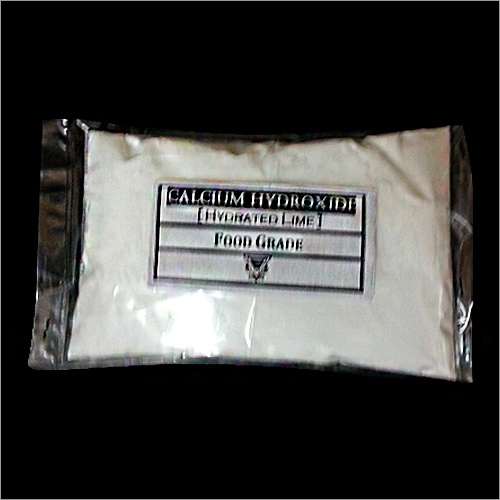
Calcium Hydroxide, 91%
MOQ : 1000 Kilograms, ,
Calcium Hydroxide, 91% Specification
- Storage
- Store in a cool, dry place tightly sealed, away from moisture and acids
- HS Code
- 28259020
- Form
- Solid
- Shape
- Fine Powder
- Density
- 2.24 Gram per cubic centimeter(g/cm3)
- Molecular Formula
- Ca(OH)
- Solubility
- Slightly soluble in water (1.73 g/L at 20C), insoluble in alcohol
- Melting Point
- 580C (decomposes)
- Purity
- 91%
- Refractive Rate
- 1.574
- Ph Level
- Approximately 12.4 (saturated solution)
- Other Names
- Hydrated Lime, Slaked Lime, Caustic Lime
- Boiling point
- N/A (decomposes before boiling)
- Poisonous
- Yes
- Taste
- Alkaline, bitter
- Smell
- Odorless
- Molecular Weight
- 74.09 g/mol
- Structural Formula
- Ca(OH)
- Classification
- Inorganic Base
- Chemical Name
- Calcium Hydroxide
- CAS No
- 1305-62-0
- EINECS No
- 215-137-3
- Grade
- Industrial Grade
- Standard
- IS 1540 (Part 1):1990 or equivalent
- Type
- Powder
- Usage
- Industrial, laboratory, and commercial applications
- Main Material
- Calcium Hydroxide (Ca(OH))
- Application
- Water treatment, food industry, chemical manufacturing, sewage treatment, construction (plaster and mortar), environmental remediation
- Packaging
- 25 kg bags or as required
- Particle Size
- Typically microns to millimeters
- Bulk Density
- 0.5-0.7 g/cm3 (typical)
- Brightness
- 90% min (ISO method)
- Stability
- Stable under normal conditions, reacts with carbon dioxide in air
- Shelf Life
- Up to 12 months if stored properly
- Hazard Statement
- Causes severe skin burns and eye damage
- Color
- White
- Moisture Content
- Less than 1%
Calcium Hydroxide, 91% Trade Information
- Minimum Order Quantity
- 1000 Kilograms, ,
- Supply Ability
- 1000 Kilograms, , Per Day
- Delivery Time
- 10 Days
About Calcium Hydroxide, 91%
Calcium Hydroxide 91%+ Grade
"Calcium Hydroxide 91%", having CAS-No: 1305-62-0, and traditionally being called hydrated lime or slaked lime, is an inorganic compound with the chemical formula as Ca(OH)2. It is free flowing super fine super white powder, free from grits & other contaminations and is obtained when calcium oxide (quicklime) is "slaked" with water, to form "Hydrated Lime". Calcium Hydroxide 91% is used in a wide variety of traditional & emerging applications, because of its chemical & physical properties. These are high quality optimum products, compliant to various compendiums, being diligently processed under good manufacturing practices. These products are free from all known allergens and do not contain any prohibitory or toxic chemicals or non-kosher ingredients. The usual shelf life of the product is three to six months from the date of manufacturing of batch. This grade of Calcium Hydroxide shall be having minimum Assay Content of 91%+ as Ca(OH)2.
Uses
Vigyan Limes Calcium can be used in various manufacturing & other processes as under:-
Industrial Usage:
- Asphalt
- Buffing
- Refining
- Additives
- Metallurgy
- Construction
- Ore Concentration
- Refractory Cement
- Iron and Steel Industry
- Additives Functional Fillers
- Nonferrous Metals Industries
- Water Treatment
- Treat Waste Water
- Effluent Treatment
- Flue Gas Treatment
- Treat Animal Wastes
- Treat Hazardous Wastes
- Treat Bio-solids and Sludge
- Cosmetics
- Excipients
- Bulk Drugs
- Food Additives
- Fine Chemicals
- Live Stock Feed
- Food Fortification
- Acidity Regulators
- API Pharmaceuticals
- Nutritional Supplements
- Fusion
- Alkalis
- Citrates
- Nitrates
- Silicates
- Acetates
- Magnesia
- Stearates
- Aspirates
- Sulphates
- Agriculture
- Cyanamids
- Citric Acids
- Phosphates
- Propionates
- Calcium Carbide
- Plastic Stabilizers
- Moisture Removal
- Paints & Varnishes
- Grease & Lubricants
- Brake Pads & Linings
- Inks
- Papers
- Plastics
- Sealants
- Concrete
- Ceramics
- Adhesives
- Magnesium
- Desulphurization
- Building Materials
- Alumina & Bauxite
High Purity and Versatility
At 91% purity, our Calcium Hydroxide ensures consistent performance across multiple sectors, including water and sewage treatment, food processing, and environmental remediation. Its fine powder form and high brightness (minimum 90% by ISO standard) make it suitable for precise industrial processes where quality control is paramount.
Safe Handling and Storage
This compound causes severe skin burns and eye damage if mishandled; therefore, it must be stored in a cool, dry, sealed environment, away from acids and moisture to maintain a shelf life of up to 12 months. Proper storage and protective equipment are essential to ensure user safety and product efficacy.
Applications Across Industries
From water purification and chemical manufacturing to construction uses such as plaster and mortar, Calcium Hydroxides alkali properties play a vital role. Its use extends to food processing under strict standards, providing both functional and economic benefits in bulk supply formats.
FAQs of Calcium Hydroxide, 91%:
Q: How should Calcium Hydroxide, 91% be safely handled and stored?
A: Always handle Calcium Hydroxide with proper protective equipment, including gloves and eye protection, due to its caustic nature. Store the powder in tightly sealed containers in a cool, dry place, away from moisture and acids, to prevent decomposition and prolong shelf life up to 12 months.Q: What industries benefit the most from using Calcium Hydroxide, 91%?
A: Major applications include water and sewage treatment, chemical manufacturing, construction (as an ingredient in plaster and mortar), food processing (under regulatory conditions), and environmental remediation, providing a cost-effective solution in each industry.Q: Where can I use Calcium Hydroxide in construction?
A: In construction, Calcium Hydroxide is primarily used in making plaster and mortars, where it contributes to workability and durability. The powder reacts with carbon dioxide in air, setting and hardening construction materials over time.Q: What happens if Calcium Hydroxide is exposed to air?
A: Calcium Hydroxide is stable under normal conditions but reacts with carbon dioxide in the atmosphere, forming calcium carbonate on the surface, which can reduce its effectiveness over time if not stored properly.Q: When does the product begin to lose effectiveness?
A: The effectiveness of Calcium Hydroxide diminishes if exposed to air and moisture, or after the recommended 12-month shelf life. Proper storage substantially helps maintain its chemical properties and reactivity.Q: What is the process for using Calcium Hydroxide in water treatment?
A: During water treatment, Calcium Hydroxide is introduced to adjust pH balances, aid coagulation, and precipitate metals and impurities, enhancing water clarity and safety.Q: What are the key benefits of Calcium Hydroxide for industrial users?
A: Industrial users benefit from its high alkalinity, fast reactivity, moderate bulk density, and ease of handling in powder form, making it effective for neutralization, precipitation, and fortification processes across a range of commercial and laboratory applications.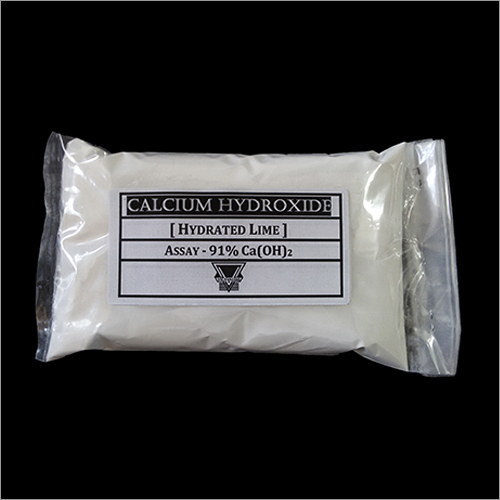
Tell us about your requirement

Price:
Quantity
Select Unit
- 50
- 100
- 200
- 250
- 500
- 1000+
Additional detail
Mobile number
Email

More Products in Calcium Hydroxide Category
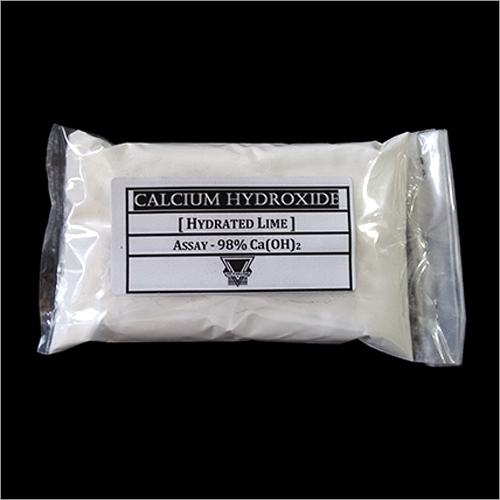
Calcium Hydroxide, 98%
Price Range 6.00 - 50.00 INR / Kilograms
Minimum Order Quantity : 1000 Kilograms, ,
Density : 2.24 Gram per cubic centimeter(g/cm3)
Application : Other, Used in water treatment, food processing, chemical industries, construction, and agriculture
Chemical Name : Calcium Hydroxide
Molecular Formula : Ca(OH)
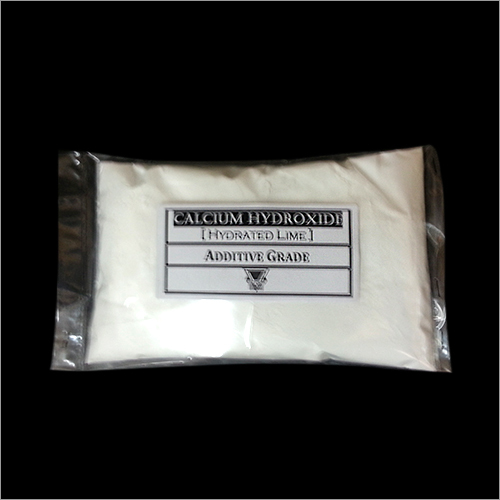
Calcium Hydroxide 1305-62-0
Price Range 6.00 - 50.00 INR / Kilograms
Minimum Order Quantity : 1000 Kilograms, ,
Density : 2.24 Gram per cubic centimeter(g/cm3)
Application : Other
Chemical Name : Calcium Hydroxide
Molecular Formula : Ca(OH)
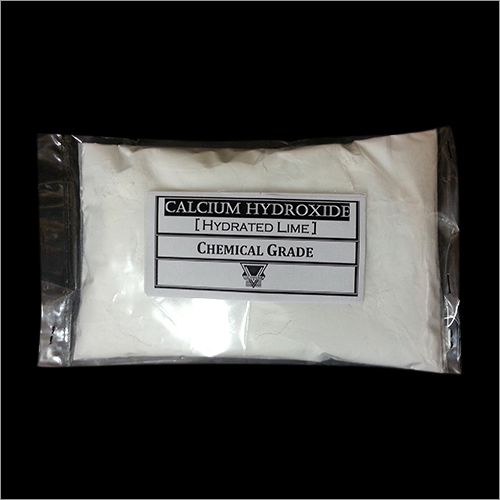
Hydrate Lime
Price Range 5.00 - 50.00 INR / Kilograms
Minimum Order Quantity : 1000 Kilograms
Density : 2.24 Gram per cubic centimeter(g/cm3)
Application : Other, Used in water treatment, soil stabilization, construction, chemical industry, and as a flocculant
Chemical Name : Calcium Hydroxide
Molecular Formula : Ca(OH)2
Liquid Calcium Hydroxide
Price Range 6.00 - 50.00 INR / Kilograms
Minimum Order Quantity : 1000 Kilograms
Density : 2.24 Gram per cubic centimeter(g/cm3)
Application : Other
Chemical Name : Calcium Hydroxide
Molecular Formula : Ca(OH)

Vigyan Lime & Chemicals
Dehradun, Uttarakhand, India.
Dehradun, Uttarakhand, India.
Address
- G-37, Race Course,Dehradun - 248001, Uttarakhand, India
- Phone : 08045476847
Key Person
- Mr Sunil Kumar Gupta (Managing Director)
- Mobile : 08045476847
- Send Inquiry
 Send Inquiry
 |
VIGYAN LIME
All Rights Reserved.(Terms of Use) Developed and Managed by Infocom Network Private Limited. |
